What lies beneath
I have been asking one question for twenty years, in whatever material was in front of me. Paint, charcoal, water, language, the work of other artists. The question is what lies beneath, beneath a surface, an image, a reputation, a consensus, and what it costs to keep it there.
In the studio this is literal. I build a painting in charcoal, then in oil, and then I sand it back, sometimes until the paper tears or the canvas buckles. The labor of making and the erasure of that labor both stay in the work. I am not restoring anything to a clean, authoritative surface. I am refusing that surface, because the clean surface is where the body that made the image disappears.
I came to painting through writing. For a decade I co-founded and published an arts publication, wrote reportage on the arts, and I no longer believe those were separate practices. A mark and a word are the same kind of inscription, a body pressed to a surface, leaving a trace, carrying resistance. My writing and my painting are not illustration and explanation. They are two performances of the same argument.
The same excavation runs through the rest. In open water, where I swim, erosion reveals rather than destroys, the exact logic of the sanded-back paper. In Kentucky, where I collect and support the work of other artists, surfacing what a dominant surface was built to keep under is the same act as surfacing the author inside a canonical portrait. My time in India gave the whole practice its floor: a way of understanding multiplicity not as scatter but as truth. I work on many things at once, in many registers at once, because I do not believe authorship is singular. The interlacing is not a lack of focus. It is the argument.
So the practice does not resolve into a single thread, and it is not supposed to. It recurs. Every layer digs under the last one. What lies beneath the stroke is the witness, and the witness is a hand, mine and my predecessors', insisting on itself at the moment such insistence is most easily generated away.
-
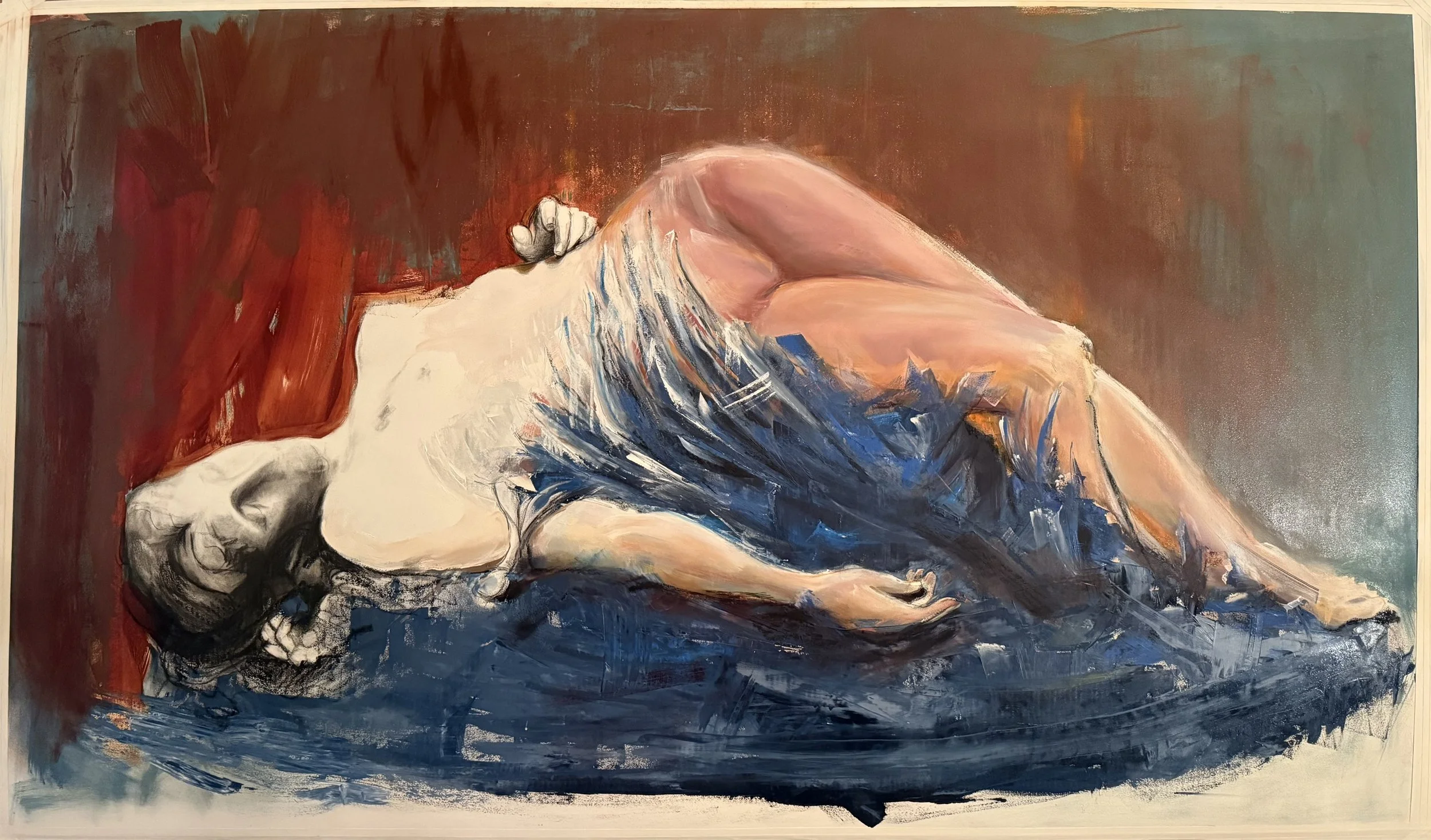
Reflections on Water
-
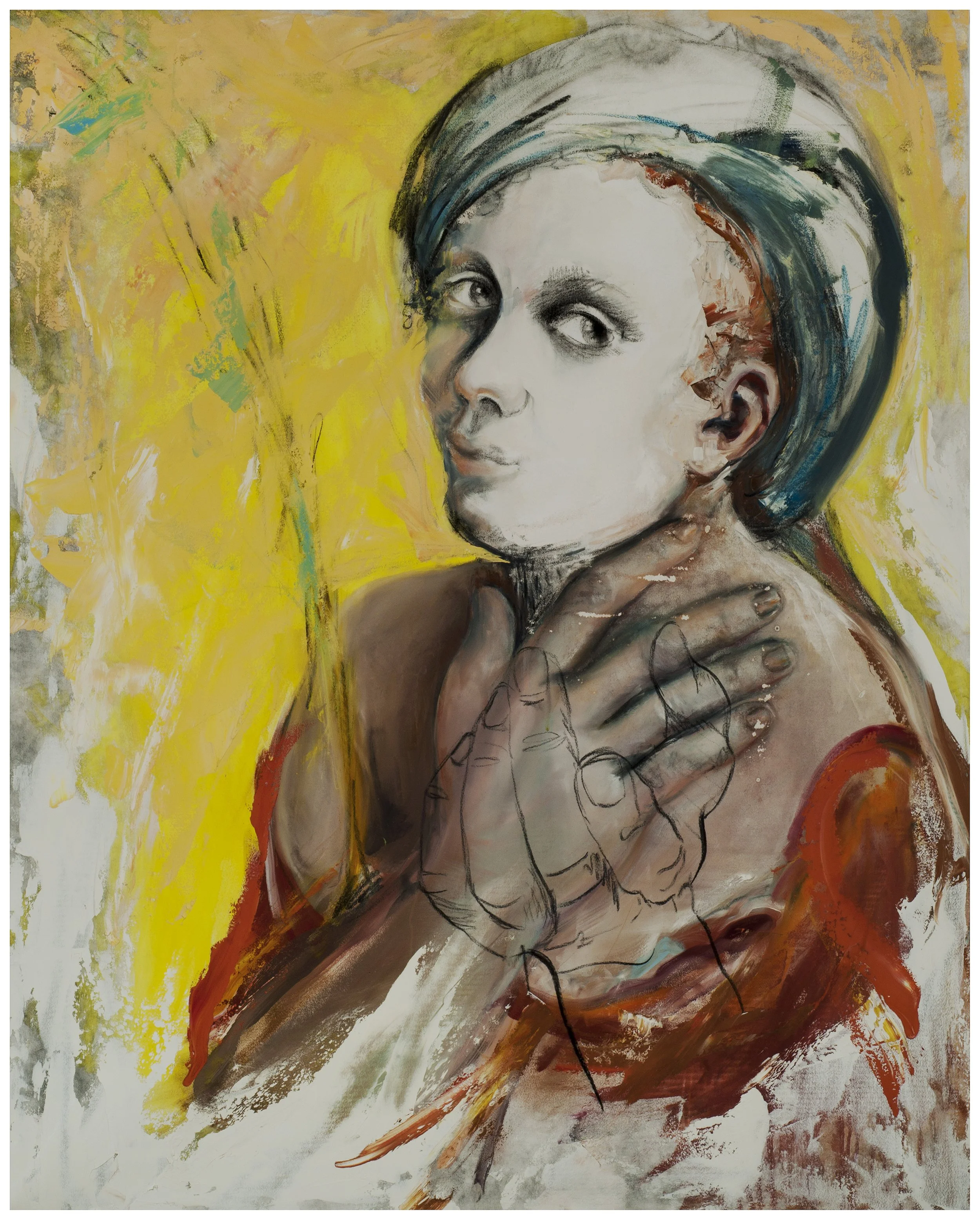
Foundations Unearthed
-
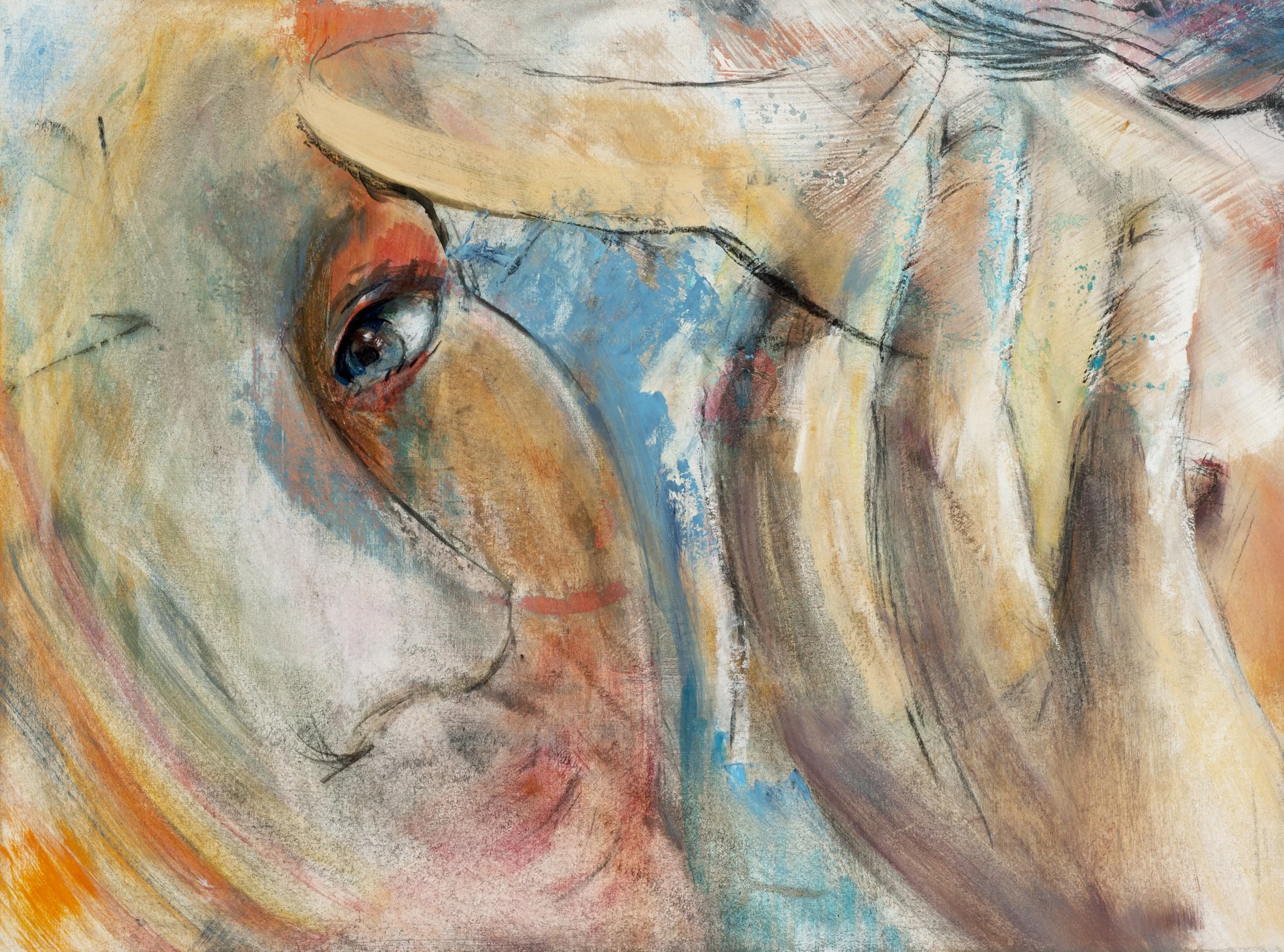
Archive: Figure Painting